6 min read ResuFit Team
What to Wear to a Job Interview: A Complete Guide for Women
Career Development
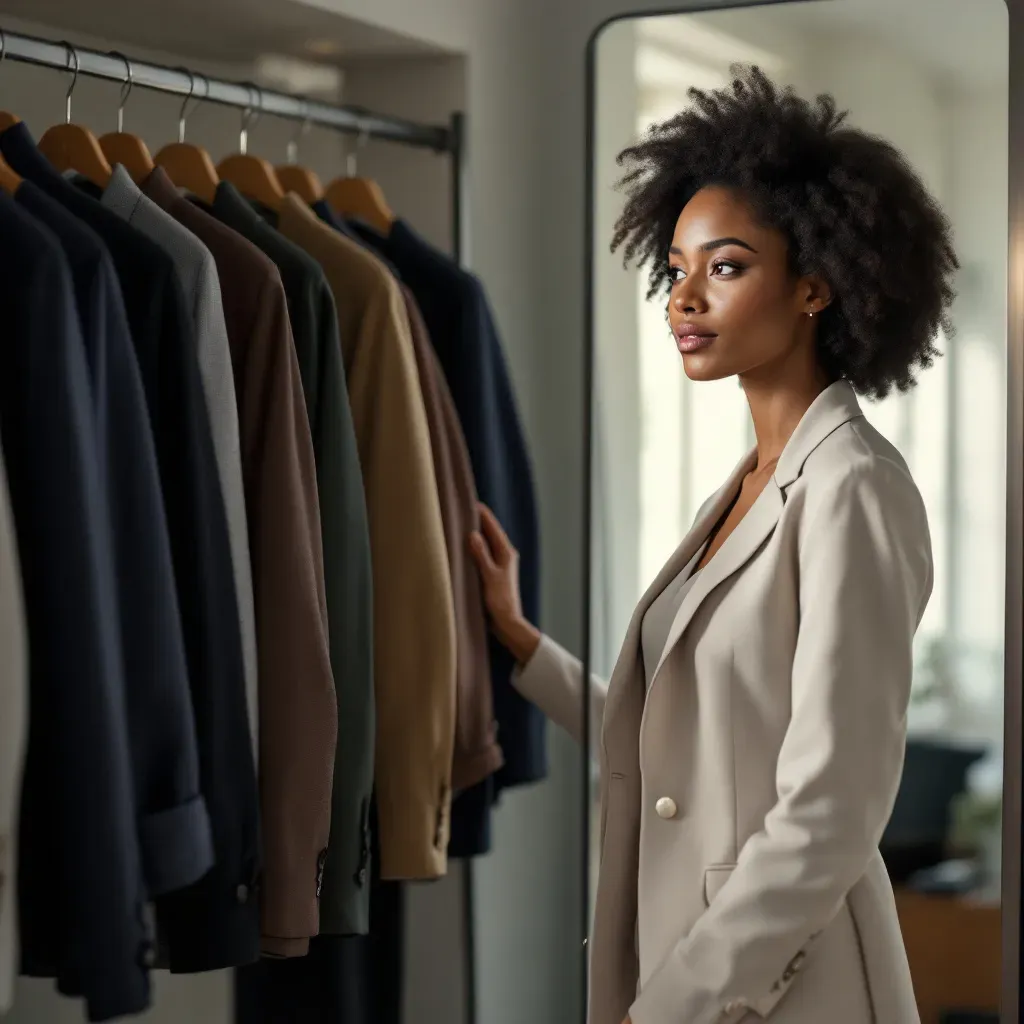
Making a strong first impression at a job interview starts the moment you walk through the door. Your attire speaks volumes before you say a single word. For women navigating the complex world of interview dress codes, finding the right balance between professionalism, personal style, and comfort can be challenging. This guide will help you decode various interview dress codes and provide practical advice for dressing confidently across different industries.
Different organizations have varying expectations for interview attire. Here’s a breakdown of the most common dress codes:
This is the most conservative dress code, typically expected in traditional industries like law, finance, and government. A tailored suit (pantsuit or skirt suit) in navy, black, or gray is the gold standard. According to Southwest TN Career Services, skirts should fall no more than one inch above the knee. Pair with a crisp button-down shirt or silk blouse in white or other neutral colors. Closed-toe pumps with a modest heel (2-3 inches) and minimal, professional jewelry complete the look.
Slightly less rigid than business formal, but still polished and conservative. A suit is still appropriate, but you might opt for subtle patterns or colors beyond the traditional navy and black. Alternatively, a tailored dress with a blazer works well. Accessories can be slightly more expressive, but should remain understated.
This increasingly common dress code can be the most confusing to interpret. TopInterview recommends dark dress pants or skirts paired with a structured blouse, sweater, or cardigan. A blazer is optional but adds polish. Neutral tones with subtle pops of color (like a light blue blouse) work well. Closed-toe flats or low heels are appropriate footwear choices.
Even in casual environments like tech startups, interview attire should be more polished than everyday casual wear. Indeed suggests dark jeans (no rips or distressing) with polished tops like button-downs or silk shells. Add structure with a casual blazer or cardigan, and opt for clean, closed-toe shoes.
Pro tip: When in doubt, it’s better to be slightly overdressed than underdressed. Research the company culture before your interview by checking their website, social media, or asking your recruiter about the dress code.
In traditionally formal environments, conservative attire remains the expectation. Sumissura emphasizes that skirt suits should pass the “mirror check” for appropriate length when seated. Stick with suits in neutral colors paired with crisp white or light-colored blouses. Keep jewelry minimal—small earrings, a simple necklace, and perhaps a quality watch. Closed-toe pumps in neutral colors with heels under 3 inches are ideal.
These fields allow more self-expression while maintaining professionalism. Consider incorporating:
Brands like Reformation offer pieces that balance personality with polish. Remember that while creative industries allow more flexibility, your outfit should still communicate that you take the opportunity seriously.
In these settings, the goal is to look put-together without appearing stuffy. Resume.com suggests smart casual with tailored trousers and minimalist accessories for tech interviews. Brands like Everlane offer modern, versatile pieces that work well in these environments.
For education roles, approachable professionalism is key. Knee-length dresses with cardigans or tailored pants with blouses work well. Avoid loud prints to maintain an approachable appearance.
Invest in these foundational pieces for a flexible interview wardrobe:
Brands like Ministry of Supply offer professional clothing in comfortable, easy-care fabrics. For those seeking inclusive sizing, Universal Standard and Eloquii offer extended size ranges with professional options.
The right accessories can elevate basic outfits:
On a budget? Consider renting designer pieces through services like Rent the Runway or shopping for high-quality brands at thrift stores.
Several attire choices can undermine your professional image:
Before your interview, do a full “dress rehearsal” including sitting, standing, and walking to ensure your outfit remains comfortable and appropriate in all positions.
The best interview outfit is one that makes you feel confident while meeting professional expectations. Consider these aspects of authenticity:
Remember that confidence is your best accessory. Practice “power posing” in your interview outfit before the big day to boost your confidence, as suggested by NCBI Cultural Adaptation Study.
Your interview outfit should help you present your best professional self while allowing your qualifications and personality to take center stage. By understanding dress codes, considering industry expectations, and building a versatile wardrobe, you’ll be prepared to make a strong first impression at any interview.
For more help with your job search, ResuFit offers tools to optimize your resume and prepare for interview questions and answers, ensuring you’re fully prepared to showcase your skills and experience.
Whether you’re wondering if you can wear jeans to an interview or need advice on a bank interview outfit, remember that thoughtful preparation of your interview wardrobe is an investment in your professional future.
Get the latest tips on resume writing and career advice.